

Bienvenue!
Notre École is a tuition-free, teacher-powered public charter school offering French language immersion in small class sizes for kindergarten through 5th grade.
Our STEAM-focused curriculum prepares students for the future by fostering creativity and innovation through challenging, inquiry-based learning while students are immersed in French.
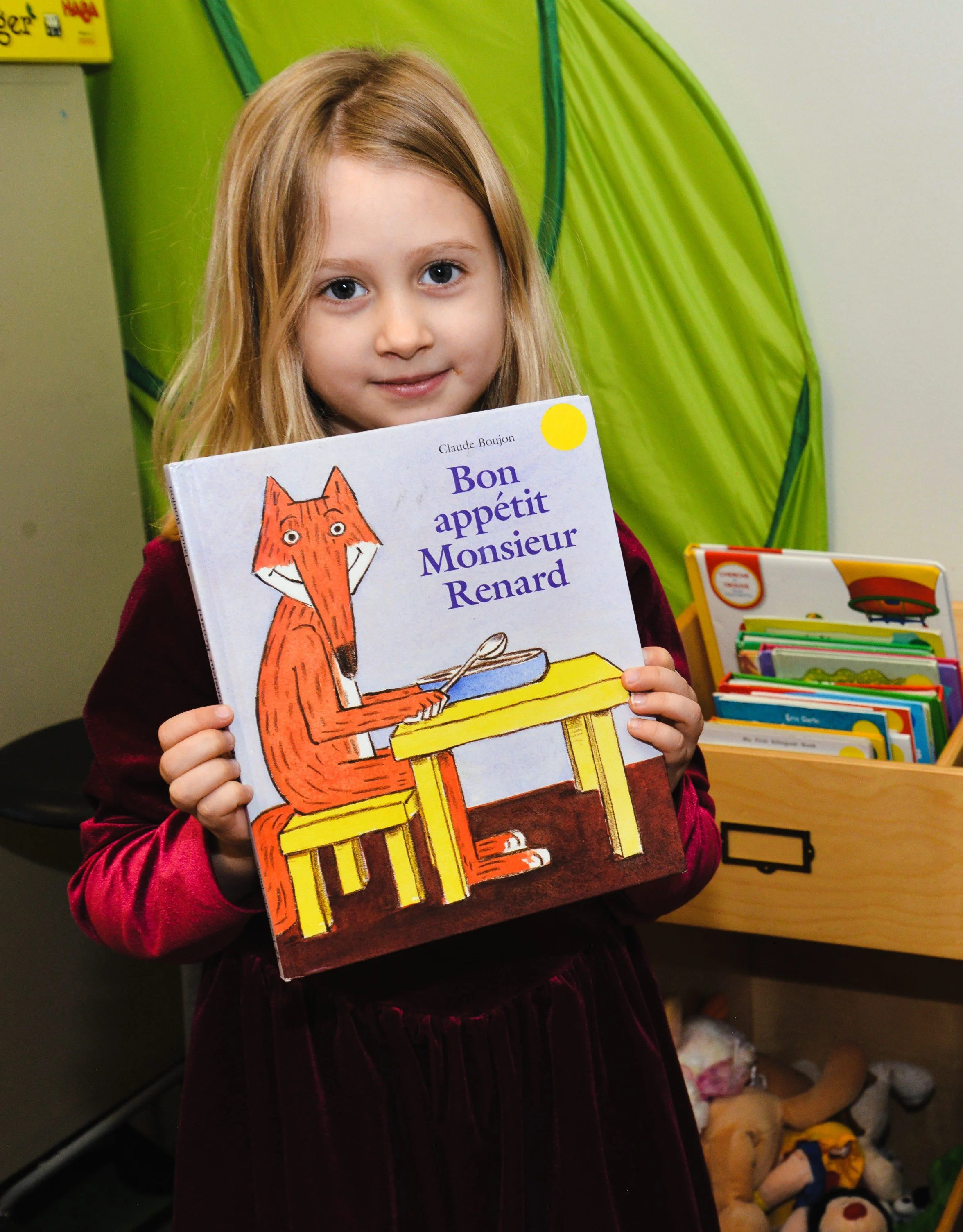
French Immersion
French is a highly valuable language with global and economic importance, as France is a major partner of the United States, and French is spoken across all continents and in 29 countries.
Learning French early gives children a strong foundation for additional languages and supports cognitive development, including improved problem-solving and creativity. It also helps them become more culturally aware and adaptable in a global society.
Immersion programs, like those at Notre École, provide meaningful exposure by engaging students in everyday learning in French, making early language acquisition both effective and impactful.
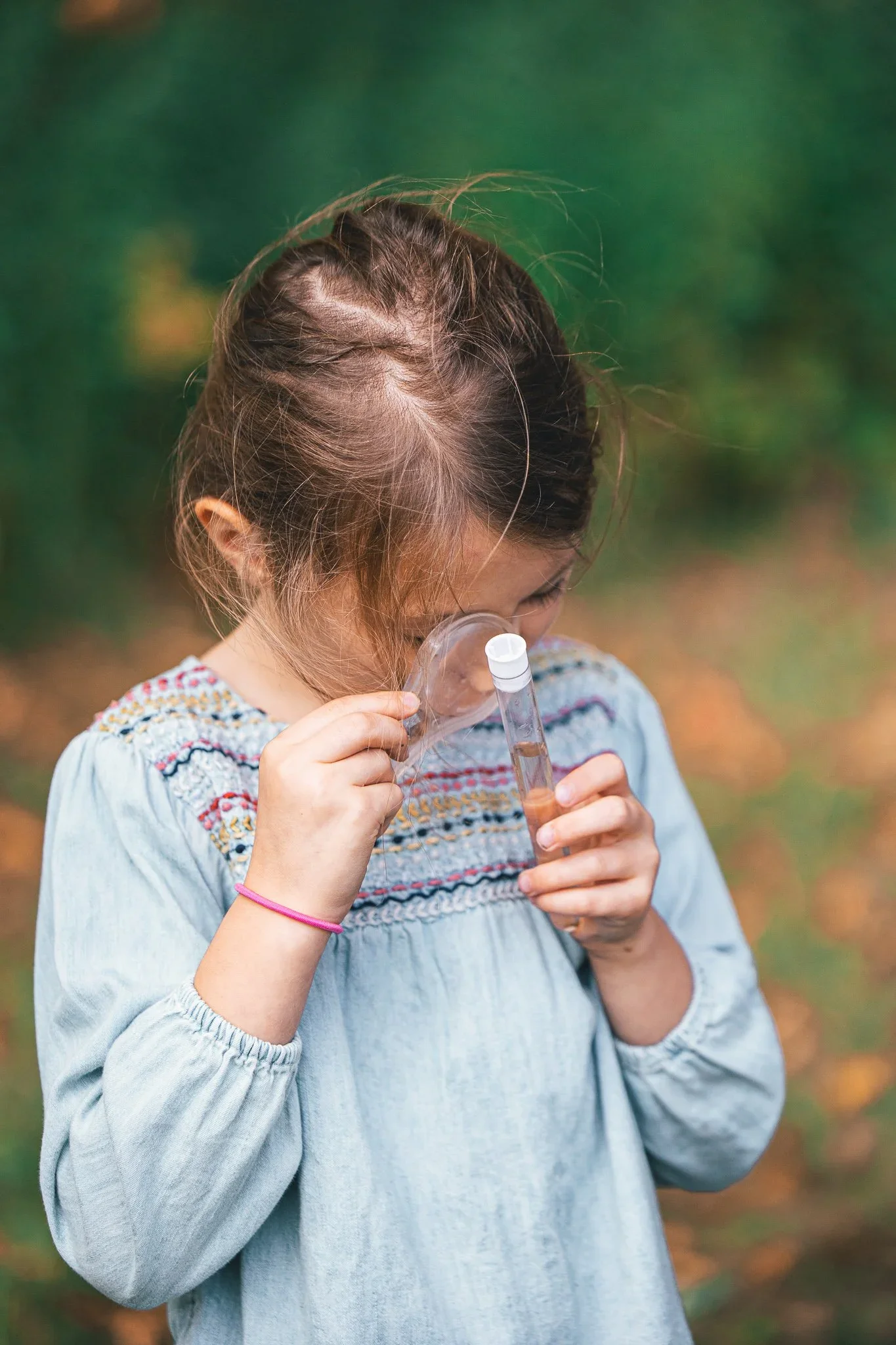
STEAM
At Notre École, the STEAM approach is embedded in everything we do through Science, Technology, Engineering, Arts, and Mathematics.
We foster curiosity by encouraging students to ask thoughtful, open-ended questions that promote deeper understanding and meaningful discovery.
Through engaging STEAM experiences, students and teachers make real- world connections that transform school from simply a place of instruction into a dynamic environment where learning is active, relevant, and immersive.
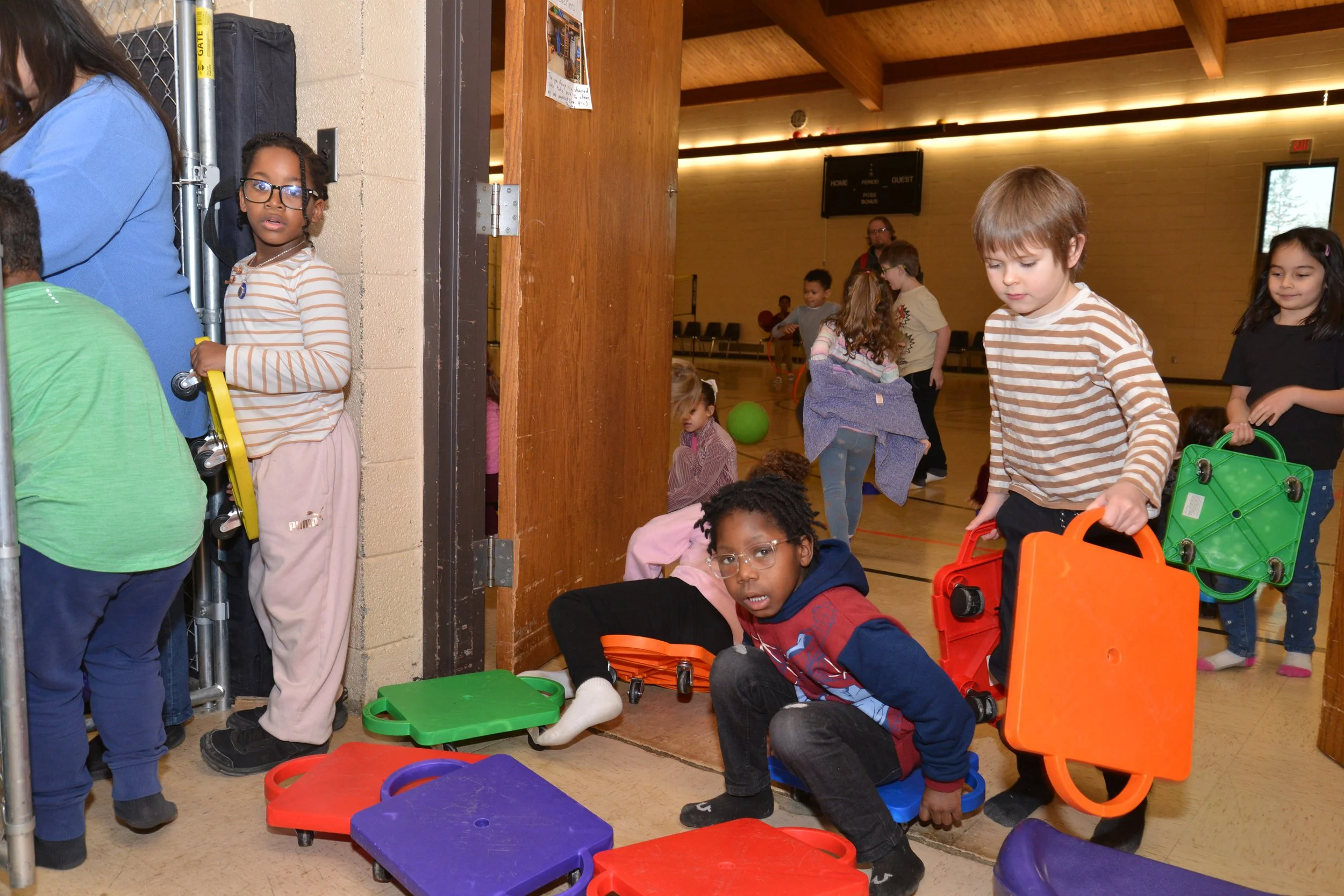
Daily Play Breaks
Research consistently shows that play is essential to young children’s development.
Unstructured recess provides students with opportunities to take mental breaks, engage in physical activity, and release energy— factors that support improved focus and engagement during instructional time.
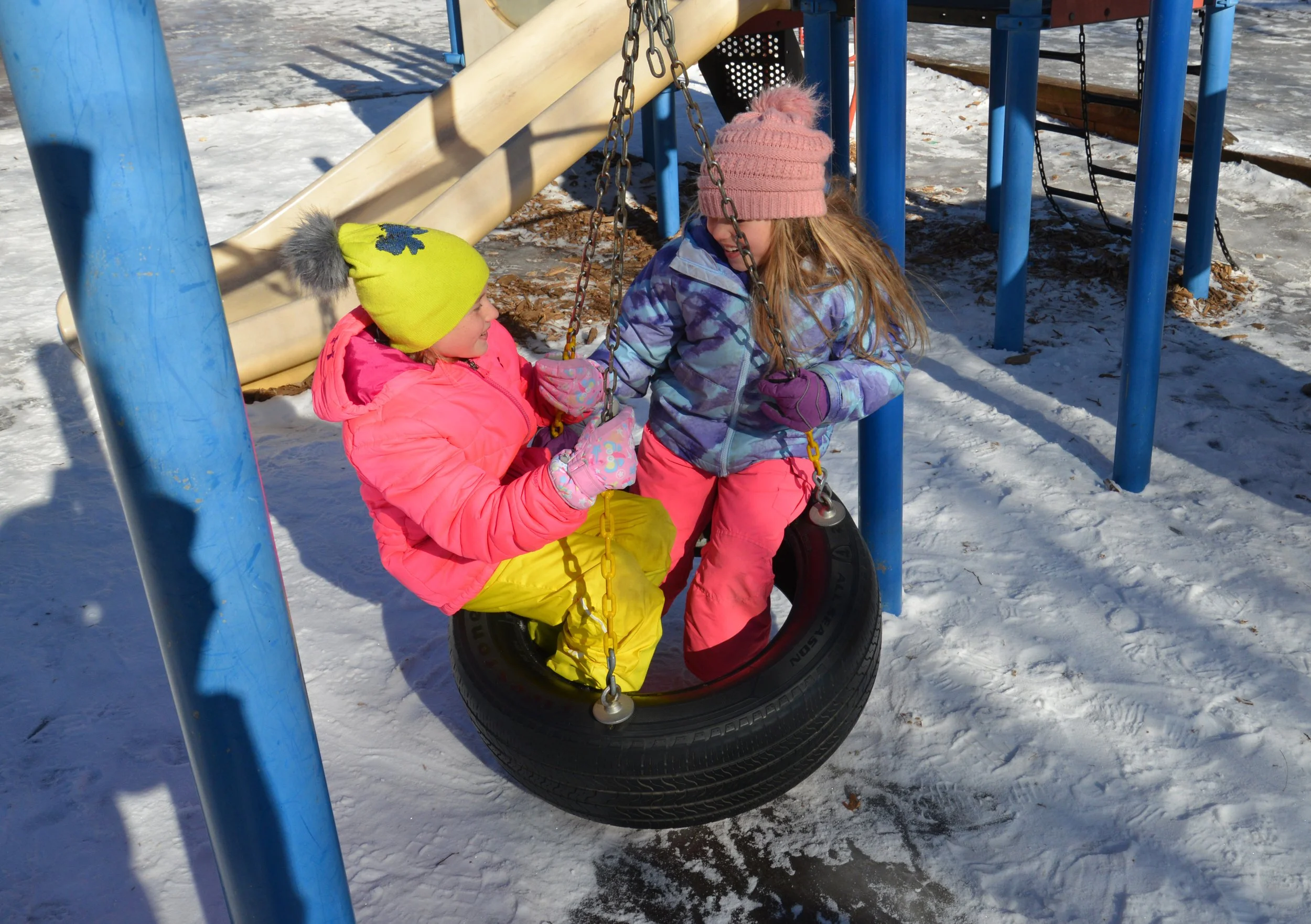
At Notre École, students will receive three to four recess breaks each day to support their overall well-being and readiness to learn.
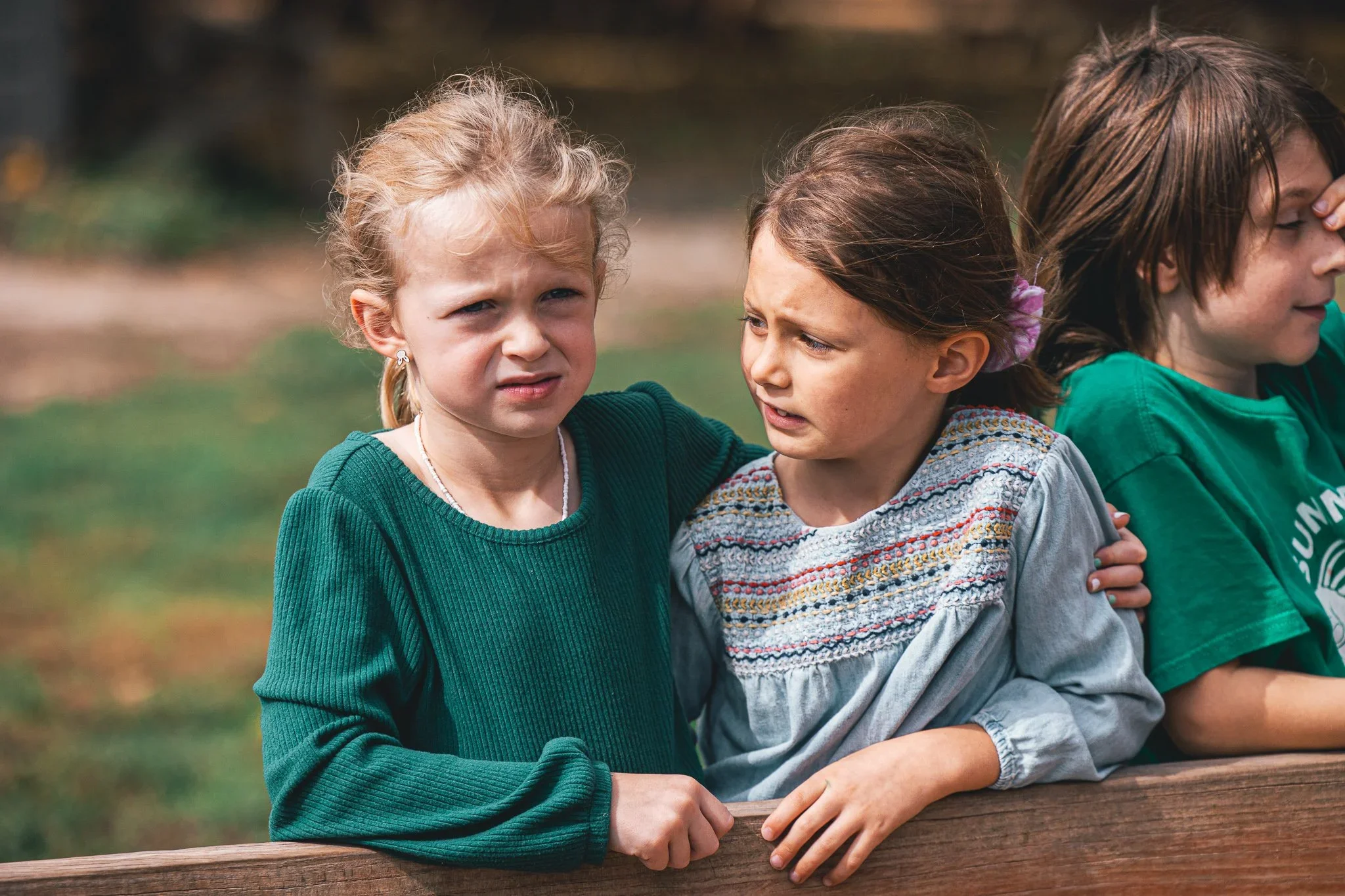
Responsibility and Respect
Notre École incorporates the Japanese philosophy of O-soji, a practice that emphasizes shared responsibility for maintaining one’s environment.
For approximately 15 minutes each day, students participate in cleaning their classrooms and communal spaces.
This experience helps cultivate important social skills and life values, including respect and gratitude for people and property, personal responsibility, independence, and a strong sense of community.
1 in 5
people, in United States, speak more than one language at home.
Speaking two languages rather than one has obvious practical benefits in an increasingly globalized world. But in recent years, scientists have begun to show that the advantages are even more fundamental than being bilingual. Learning another language can have profound effects on your brain, improving cognitive skills and long term benefits.
+ 275 million
people speak French around the world
French is a young, vibrant, international language. It is the only language other than English to be spoken on all five continents. It also represents the 2nd most widely spoken native language and foreign language in Europe. Finally, by the year 2050, it is estimated that French could be the language most spoken in the world!
+ 79%
growth of STEAM occupations
Overall, since 1990, employment in STEM occupations has grown from 9.7 million to 17.3 million. As of today, it is estimated that up to 2.4 million STEM jobs are projected to go unfilled.
A Glimpse Into Our School
Frequently Asked Questions
Still have questions? Take a look at the FAQ or reach out anytime.
-
Admission is open to all Minnesota students, no restriction applied, all year long for the current academic year. You do not need to live within the district to enroll your child in Notre Ecole. If the school’s enrollment target is reached, a selection is made by random lottery. Students register for our lottery simply by completing an application. A waiting list is maintained in the event that there are seats available after the lottery.
-
Supported by a collaborative faculty of high-quality professional educators, students are immersed in a rigorous curriculum based on best practices from around the world specifically designed to prepare students for success in the emerging global community.
We are the only school in the Twin Cities area that offers a French Immersion and STEAM environment with intentional daily play breaks and the Japanese philosophy of O-soji to foster responsibility and respect.
-
Language Immersion is an approach to second language instruction in which the usual learning activities are conducted in a second language. This means that the new language is the medium, as well as the object of instruction. The ultimate goal of the language immersion classroom is language acquisition.
In early years, immersion teachers know that students will not understand everything they say. Teachers use body language, visuals, objects, exaggerated facial expressions, and expressive intonation to communicate meaning. In kindergarten, it is common for students to speak English with each other and when responding to their teacher. As the years progress, students naturally use more of the immersion language. (Fortune and Tedick, 2003)
-
A growing body of research on immersion education has shown that immersion students consistently meet or exceed academic expectations in the following areas:
Second language skills: Immersion students by far outperform students in traditional foreign language classes. They are functionally proficient in the immersion language and are able to communicate according to their age and grade level.
English language skills: In the early years of English instruction (K-2), there may be a lag in English reading and writing skills. By 5th grade, however, immersion students do as well, or better than students in English-only classes.
Content areas: Immersion students achieve in academic areas as well as students in English-only programs.
Cultural sensitivity: Immersion students are more aware of, and show positive attitudes towards other cultures.
The reality is that more and more English-speaking parents are interested in their children learning a second language now more than ever, especially with the importance of international trade and companies doing business overseas with their own factories or through outsourcing. Parents realize that the job market is tough and they want their children to have an “edge” in the competition.
-
Your child's brain is at the optimal stage of early development to learn language, meaning your child has twice as many synapses (connections) in the brain as you do. These connections must be used or lost. There is a window of opportunity in which your child can learn any first language normally. After this period, their brain becomes slowly less receptive. Your child can learn as many spoken languages as you allow them to hear systematically and regularly.
Placing an English-speaking child in an immersion program would best be done in Preschool or kindergarten, thus giving him/her an advantage. A child entering a Foreign Language-immersion program in 2nd grade or higher may be very difficult for the child to ‘catch up’ to his peers who began a program in preschool or kindergarten. Many studies have been conducted on this topic and all the studies have concluded that placing an English-speaking child in an immersion program at a young age never inhibits the child’s learning to read and write in English. Unless the child has a language or learning disability, he/she will easily keep up in English because it’s spoken at home and the child is literally surrounded by English through the media and in the community.
-
https://www.notreecole.org/whyfrench explains most of the reasons why choosing French as a foreign language to start with. It’s very often that families come to Notre Ecole and share that parents took French classes in middle or high school, enjoyed it, but feel frustrated that most of it is now lost. Based on their experience, it’s even clearer that having an early exposure to French would have made a huge difference for them. French is a central language of the European continent, and took its roots in both the Latin, Greek, and Anglo-Saxon world; it’s a perfect stepping stone for all other Latin languages, such as Spanish, for example. On top of learning high-quality French at Notre Ecole, your child will be able to pick up a third language in middle and high school, with a larger and easier access to quality Spanish classes due to the proximity of the USA to the Spanish influence, where the opposite might not be true. That’s one of the reasons we encourage selecting French as your first foreign language for your child, it will give not 2 but possibly 3 foreign languages acquired before graduating from High School, thus opening even more opportunities for your child.
-
No. We assume children coming to our class are being exposed to second language immersion for the first time. However, we welcome and encourage children who have some prior knowledge of a second language – they tend to be natural tutors and helpers to the other kids!
The teachers instruct your child with proper pronunciation, grammar, and accent. Of course, having reinforcement at home is always an advantage, but children with little or no reinforcement of the second language at home are usually just as successful in immersion programs as those with native speakers at home. Parents often enjoy learning a second language at the same time as their children. Most parents observe that the younger students quickly surpass adults in their learning curve.
-
Young children learning a second language will learn similarly to the way they learned their first language. The teacher will use hand and body cues, stories, inflection, facial signals, songs, games, and fun to make clear what is being conveyed. Children learn to explore and examine their surroundings and environment. In a short time, they catch on to what is being communicated. Young children do not have the same inhibitions that older people tend to have while learning. They are natural mimics and have little fear of making mistakes; they absorb the second language much more naturally and with less hesitation than an older child or adult might.
-
Do not worry if you speak a language other than French at home. There are many apps and websites that your child can interact with to support their learning, but here are some other ways that you can help your child succeed throughout his or her French education.
· Read continually to your child. Reading to your child in any language will support progress in both languages. Research shows that any lags in the English language tend to fade by the 4th Grade.
· Help your child feel ownership of their language by letting them correct and mock your French accent when you try to speak. You will reinforce what they’ve learned in the classroom at home, and it provides a bridge between their two isolated languages.
· Parents shouldn’t be doing their kids’ homework. Instead, teach them the skills needed to figure it out. Coach them on time management, encourage them to think critically, or guide them to where they can find the answer themselves.
· Give your child an opportunity to speak French with someone other than their teacher.
-
STEAM is an educational approach to learning that uses Science, Technology, Engineering, the Arts, and Mathematics as access points for guiding student inquiry, dialogue, and critical thinking.
STEAM fosters creativity, ingenuity, and innovation that are necessary for creating new jobs and industries in the future.
-
Like traditional public schools, public charter schools are funded by the Minnesota State Department of Education based on student enrollment, yet additional funds must be raised by our school because the per student allotment is less than the expenditure for a student enrolled in a non-chartered public school. Fundraising supports Notre École’s expanded academic programs, our facility needs, and allows the school to best serve our students.
-
Charter schools can be described as independent public schools, with only the Minnesota Department of Education as a direct partner. Charter schools are free, public schools that accept higher degrees of accountability in exchange for fewer bureaucratic regulations. Catering specifically to its student body, a charter school has greater flexibility in scheduling, curriculum design, teacher development and incentives, and administrative procedures, and has more freedom to develop its own material, without heavy bureaucratic oversight. Student applicants are offered free admission through an official lottery selection process. In the event that seats are left after the lottery, charter schools maintain a waiting list.
-
We do not have a school uniform however students should dress modestly and appropriately for an educational setting.